
Surgery & Pre-Operative
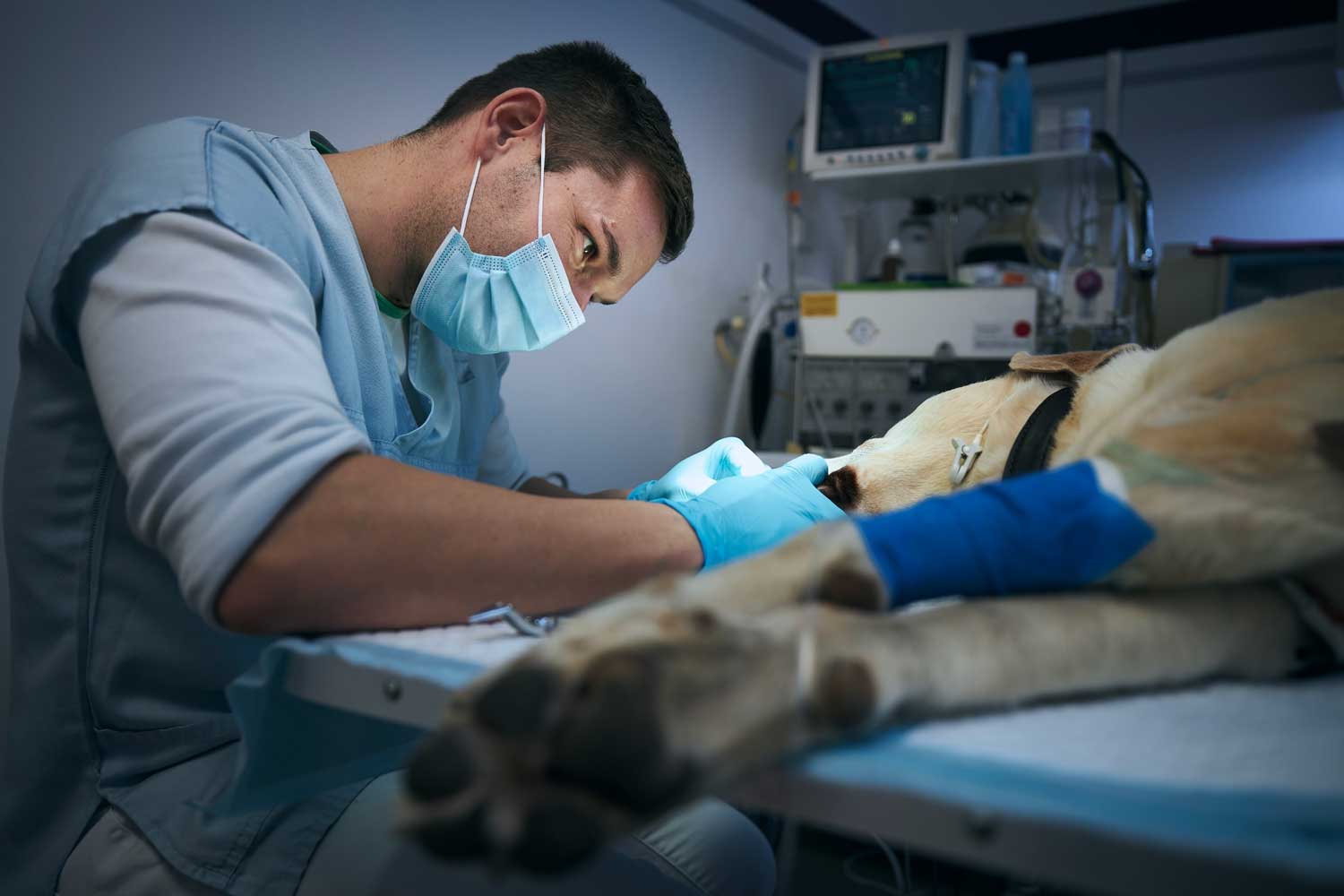
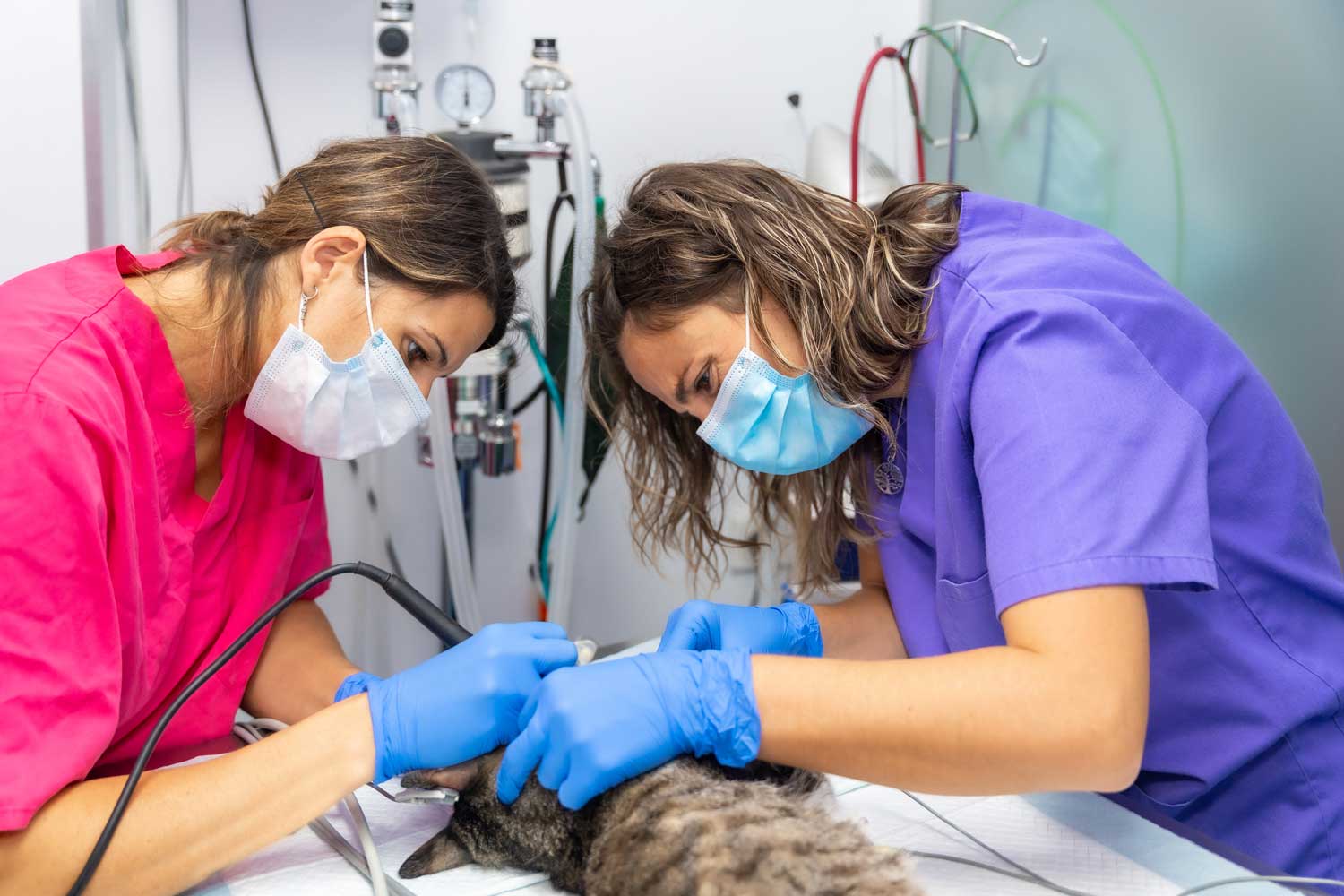
Preparation for Surgery
Before your pet undergoes any surgery, your veterinarian will likely recommend routine blood testing. This type of testing includes a complete blood count (CBC) and a serum biochemistry profile. While this may seem like an extra step, these tests are important in providing crucial information about your pet’s health status. The CBC specifically analyzes the cellular components of blood, including red and white blood cells as well as platelets. By testing these components, veterinarians can ensure your pet is in good health and has healthy blood to support them during surgery. Depending on the surgical procedure, radiographs, and Catscan may be recommended.
Another test preformed is a blood serum test, which can reveal any serious abnormalities or metabolic diseases that may affect the safety of the procedure. Tests can assess the liver, kidney, and pancreas, as well as detect the presence of diabetes and other conditions. If any issues are found, anesthesia and surgery may need to be postponed until the underlying problem is corrected. Plus a complete evaluation of the urinary system is a urinalysis. Not only does this provide essential information about kidney function and inflammation in the kidneys or bladder, but it can also detect the presence of urinary crystals and some metabolic diseases such as diabetes. If your pet has a history of kidney or bladder problems, it’s especially important to include a urinalysis as a part of routine pre-anesthetic testing before their surgery.