
Flea & Tick Prevention
Flea Infestation

Signs of Fleas
When dealing with a flea infestation it is important to act quickly. If you suspect your pet has fleas, look for signs of excessive itching, red skin, or secondary infections as these can all be indications of an unwanted pest problem. The best way to fight off a flea infestation is by using the right kind of flea treatment for dogs and cats. Depending on your type of pet – whether it’s a dog or cat – there are numerous treatments available that can help remove pesky pests from their fur. No matter what kind of flea treatment option you choose, make sure to speak with your veterinarian about the most appropriate solution for your pet’s unique needs and lifestyle. have an ear infection or another type of ear disease, seeking veterinary advice is recommended for proper diagnosis and treatment.
Ticks
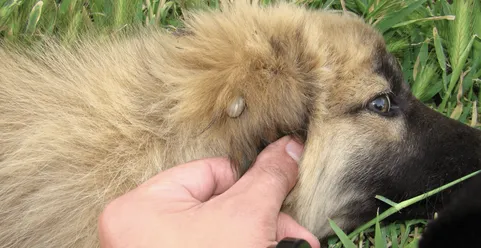
Signs of Ticks
Ticks are a common problem for both dogs and cats. While some ticks may appear small to the naked eye, they can cause big problems if left untreated. When pets come into contact with an infected tick, they can contract illnesses such as Lyme disease or anaplasmosis. These diseases can be debilitating and dangerous for your pet if not treated properly. It’s important to know how to prevent and recognize tick bites on your pet. Dog and cat ticks vary in size and color: they’re typically shades of brown or black, and range from the size of a pin’s head to that of a pencil eraser. A female tick will attach itself to your pet’s skin when it feeds off their blood. After feeding, a tick may become engorged and appear larger than it was originally. If you think your pet has been bitten by a tick, contact your i35 MarketPlace Animal Hospital veterinarian right away for treatment recommendations. Taking measures to prevent ticks from infesting your pet is the best way to protect them from illnesses associated with tick bites. Ask your vet about preventative treatments and what signs of illness to look out for in order to keep your pet healthy year-round!
Lyme Disease

Lyme Disease Detection and Treatment
Lyme disease is a common tick-borne illness that affects not only human beings but also your furry friend.
Borrelia burgdorferi is the bacterium that causes Lyme disease in dogs. This bacterium is present in the black-legged or deer tick’s digestive tract, which is the primary mode of transmission to your dog. When infected ticks bite and latch onto your dog, they can transmit the bacterium into their bloodstream, leading to infection. Therefore, dogs can get infected when spending time outdoors in grassy and wooded areas inhabited by ticks.
Early detection and treatment are critical in preventing the severe complications of Lyme disease. Therefore, it’s crucial to take your furry friend to a vet as soon as you notice any symptomatic characteristics.
Parasite Prevention


Parasite Prevention & Treatment for Dogs
Ask us how we provide your dog with monthly protection against Ticks & Fleas, Roundworms and Hookworms, Heartworm disease and Infections that may cause Lyme disease by killing deer ticks.
For dogs of all sizes and weight.
Parasite Prevention & Treatment for Cats
You can will benefit with monthly protection against Ticks & Fleas, Ear mites, Roundworms, Hookworms, and Heartworms. From kittens to adult cats of all sizes and weight.