
Emergency & Urgent Care
Because you never know when you will need us, we’re open 7 days a week plus Holidays (7am – 11pm).
NO additional fee for emergency or urgent care.
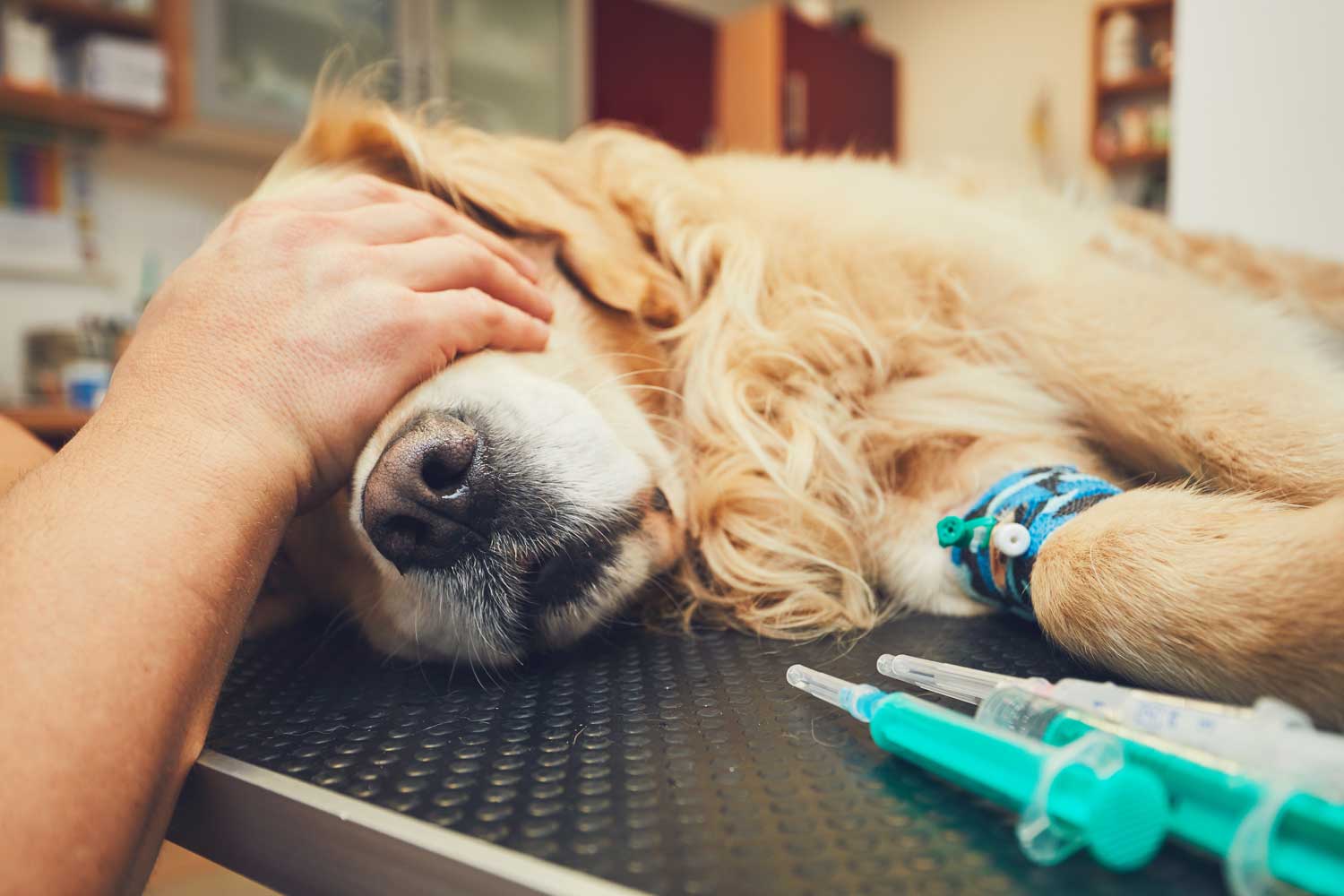
Dogs
Emergencies can happen at any time, and it’s important for dog owners to be prepared. Whether it’s a sudden illness or an accident, the first step is to stay calm and take action. Immediate care for your pet should include keeping them warm and quiet, contacting your veterinarian here at i35 MarketPlace Animal Hospital. Common emergencies in dogs such as seizures, eye injuries, snake bites and heat stroke require prompt attention, and even seemingly minor symptoms should not be ignored. Thankfully, our veterinarians are prepared for all types of emergencies. In the end, having a plan in place and being vigilant about your dog’s wellbeing can make all the difference in keeping them healthy and happy for years to come.
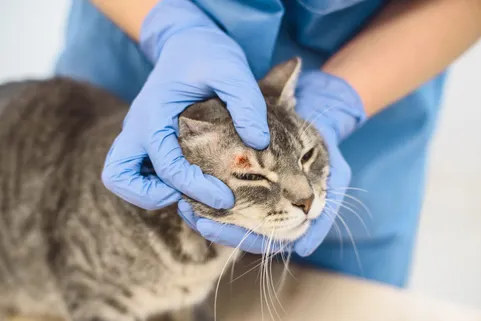
Cats
When faced with an emergency situation involving your beloved feline friend, it is understandable to feel overwhelmed and anxious. The most important thing to remember is to stay calm and composed. After assessing the situation, it is crucial to contact us immediately for advice and guidance. Our trained staff will be able to provide you with instructions on how to best care for your cat during this critical time. Once you have received initial guidance, it is essential to transport your cat as swiftly as possible to ensure that they receive a comprehensive examination and appropriate treatment. Remember, acting quickly and seeking professional help can greatly increase the chances of a successful outcome for your furry companion.
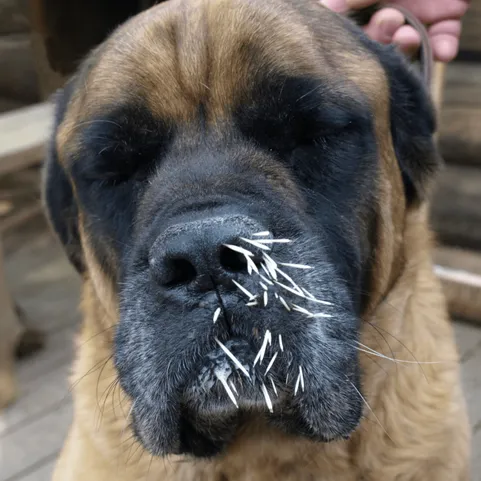
Porcupine Needles
Porcupine quills can be a serious issue for dogs. These modified hairs with their fishhook-like barbs can easily puncture the skin and work their way into the flesh. Once embedded, the quills can continue their journey deeper, moving through muscle and even penetrating organs. Besides the physical pain and trauma they cause, quills can also carry bacteria, making them a source of infection and abscesses. It’s important to approach quill removal with care and compassion as it can be a painful process. Seeking veterinary assistance is often the best course of action to ensure proper removal and treatment.
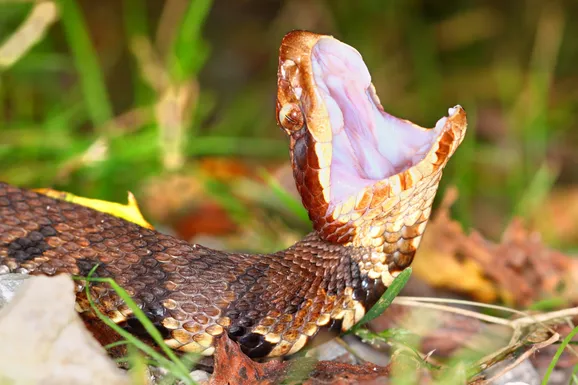
Snake Bites
It’s every dog owner’s fear: their furry best friend being bitten by a snake and running away, leaving you frantically searching for the culprit. The first thing to do if this happens is to get all other dogs under control to prevent them from being at risk of a snake bite. However, identifying the snake is not necessary when it comes to getting your dog veterinary help. If your dog displays symptoms of envenomation, it’s essential to seek emergency services regardless of which type of pit viper was the culprit. Fortunately, all pit viper bites are treated the same way with the same antivenom. As a dog owner, it’s important to know that quick action can save your pet’s life should they ever fall victim to a snake bite.
Rattle and Cottonmouths snake bites can be a frightening experience, with different signs to look for and potentially different treatment plans depending on the severity of the bite.
Fish hooks
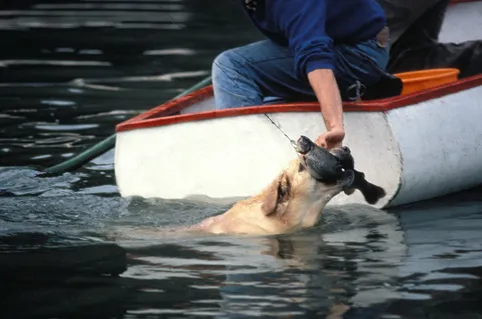
It’s important for dog owners to be aware of the clinical signs associated with fishhook foreign bodies. Depending on where the fishhook is lodged, the symptoms can vary greatly. If a fishhook is stuck in the mouth, a dog may exhibit signs of drooling, pawing at the mouth, or trouble swallowing. However, if the fishhook ends up in the esophagus or stomach, the dog may gag, retch, vomit, stop eating, drool excessively, and experience weight loss or dehydration. Seeing your dog in discomfort can be a heart-wrenching experience for any pet parent, which is why it’s crucial to seek immediate veterinary care if you suspect your dog has ingested a fishhook. Early intervention can prevent further complications and ensure a speedy recovery for your beloved furry friend.