
Adult & Senior Pet
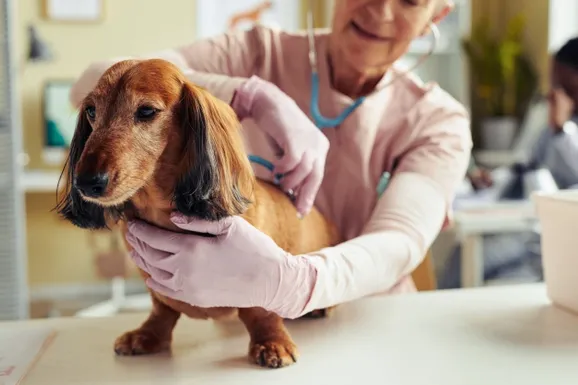
Adult/Senior Dogs
As a pet parent of an adult or senior dog, you have a special responsibility to ensure that your furry friend is healthy and comfortable. Regular check-ups with a veterinarian are crucial to keeping your senior dog in optimal health. Although once a year is the minimum recommendation, taking your dog for a check-up every six months is ideal for dogs considered geriatric. If your senior dog displays any of the warning signs mentioned above, it is essential to have them examined by a veterinary professional. Symptoms such as increased water consumption, weight loss, pain when waling or running, and repeated vomiting can be early signs of underlying health problems. Don’t hesitate to seek i35 MarketPlace Animal Hospital’s help if you have any concerns about your dog’s health. We are here to help ensure your furry friend has the best possible care.
One important area to monitor is their water consumption. While normal water intake should be less than 100 ml/kg/day or approximately 1 1/2 cups (12 oz)/day for a 10-pound dog, sustained increased water consumption may indicate a problem. This could lead to a sustained significant increase in urination, weight loss, and an increase or decrease in appetite. Additional symptoms to monitor include repeated vomiting, diarrhea that lasts over three days, difficulty passing stool or urine, incontinence, noticeable decrease in vision, and masses or ulcers on the skin that persist.
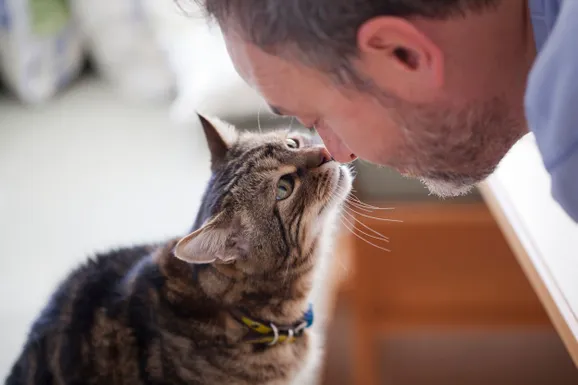
Adult/Senior Cats
As our beloved felines enter their adult and senior years, it’s important for us to keep a close eye on their health. While we may not be able to halt the aging process, we can manage and treat the illnesses that often come with it. Dental disease is a common ailment that can cause immense pain and even lead to more serious issues such as organ dysfunction and thromboembolic events. Osteoarthritis is another painful condition that affects the majority of adults and senior cats and can result in reduced activity, aggression, and incontinence. Kidney disease is also very common among older cats and can cause issues such as weight loss and dehydration. It’s important to recognize these illnesses and seek treatment in order to provide our furry friends with the best possible quality of life in their golden years.
Senior cats are prone to a variety of health issues, including thyroid disease and vision changes. Thyroid disease, in particular, can cause weight loss despite a seemingly healthy appetite and energy level. This can be frightening for pet owners, but it’s important to remember that with proper treatment, many cats with thyroid disease can live happy, healthy lives. Similarly, cataracts and hypertension-related retinal changes can lead to vision changes in senior cats. As we care for our furry companions in their golden years, it’s important to stay vigilant and seek veterinary care as needed to ensure their health and comfort.